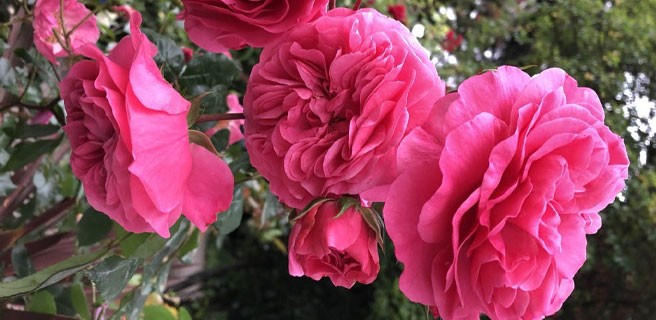
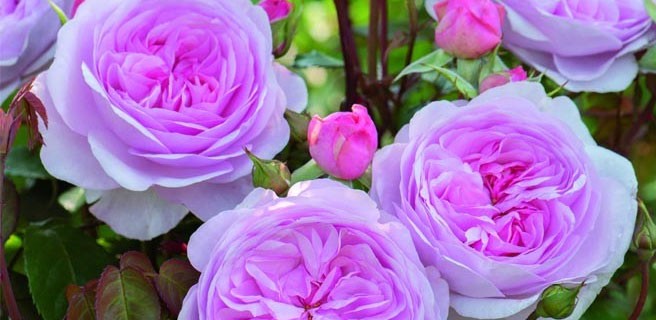
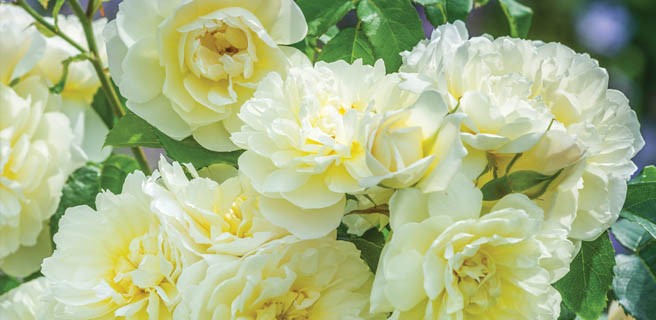
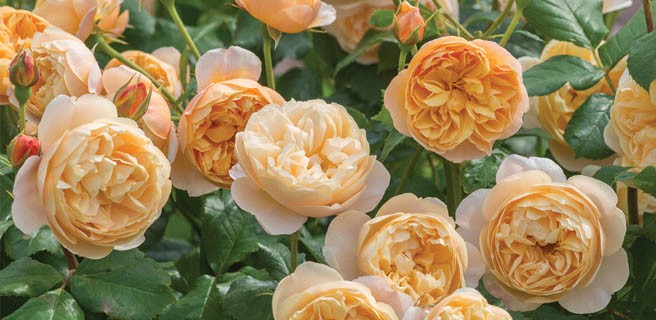
Welcome to Tasman Bay Roses. Time to put colour back into your garden. Specialising in growing the best modern varieties, Hybrid Teas, David Austin English Roses, Floribundas, Climbers and Old Fashioned roses. Our website features over 800 roses that you can purchase online.
Great News! Tasman Bay Roses is now open again.
We also have a fantastic new shop in Motueka where you can come see us and buy roses directly from us
Our opening hours are Monday to Friday 10am - 3pm and Saturday 10am-5pm
But first, let me introduce myself. I am James Armit a 23 year old Motueka born horticulturist. I worked for Ben and Ruth for 3 years and learned lots from them. I share their passion for roses. Following the tragic loss of Ben last year, I was given the opportunity to buy the business from Ruth.
I now find myself being the youngest commercial rose grower in New Zealand. I am working very hard with a great small team to build Tasman Bay Roses back up to where we used to be before Covid.
The team at Tasman Bay Roses really value your custom and support in helping us reach that goal.
I am currently updating this web-site, so NO orders can be made directly through the web-site. Please bear with us whilst we get this sorted.
However, orders can be made through email: tbr@xtra.co.nz
We have now stopped taking orders for this Winter season, please check back in later on in the year for the list of our potted roses for Spring/Summer 2024.
We still have quite a few potted roses left from this Summer still available to purchase. The list of them can be accessed through this link
I am so incredibly grateful and want to thank you all so much for the support in getting Tasman Bay Roses back on its feet again!
Also if you are on Facebook please follow us on for regular updates and photos of roses.
Roses are shipped within NZ only.
• We do not accept prior payment for rose orders but appreciate payment upon receipt.
• Should you choose to pay by credit card, please note your card WILL NOT become a charge until roses leave us.
• Once you have submitted your order you will be unable to add to it. If you require additions please email us separately with these and quote your website order number.
• Upon submission of your order you will receive a personal confirmation with an estimated dispatch time frame, if you are likely to be away during this time period it is your responsibility to inform us.
• Please choose carefully as cancelling your order will incur a 10% charge of your total order, to cover admin costs.
• Please ensure FULL address is submitted, especially if you are RD. otherwise possible delays will incurr in the receipt of your parcel. Last season we had a hefty bill for rural under-ticketing , so please if you ARE rural, let us know, you KNOW if your address is RD!
• All RD addresses will incur an extra $5.50 charge.
• Please note it is your responsibility to make sure that the delivery address is accessible for the courier and is able to accept the delivery .
How To Find Us
| Address | 77 Douglas Road, RD1, Motueka |
Please click on this link to take you to our complete stock list for Winter 2024